Welcome to our blog!

Hello! Welcome to the Official DPC Veterinary Hospital Blog.

Monday, August 22, 2011

What is FIP?


What is FIP?
Feline infectious peritonitis (FIP) is a viral disease of cats caused by certain strains of a virus called the feline coronavirus. Most strains of feline coronavirus are avirulent, which means that they do not cause disease, and are referred to as feline enteric coronavirus. Cats infected with a feline coronavirus generally do not show any symptoms during the initial viral infection, and an immune response occurs with the development of antiviral antibodies. In a small percent of infected cats (5 to 10 percent), either by a mutation of the virus or by an aberration of the immune response, the infection progresses into clinical FIP. The virus is then referred to as feline infectious peritonitis virus (FIPV). With the assistance of the antibodies that are supposed to protect the cat, white blood cells are infected with virus, and these cells then transport the virus throughout the cat's body. An intense inflammatory reaction occurs around vessels in the tissues where these infected cells locate, often in the abdomen, kidney, or brain. It is this interaction between the body's own immune system and the virus that is responsible for the disease. Once a cat develops clinical FIP involving one or many systems of the cat's body, the disease is progressive and is almost always fatal. The way clinical FIP develops as an immune-mediated disease is unique, unlike any other viral disease of animals or humans.
Is my cat at risk for developing FIP?
Any cat that carries any coronavirus is potentially at risk for developing FIP. However, cats with weak immune systems are most likely to develop the disease, including kittens, cats already infected with feline leukemia virus (FeLV), and geriatric cats. Most cats that develop FIP are under two years of age, but cats of any age may develop the disease.
FIP is not a highly contagious disease, since by the time the cat develops clinical disease only a small amount of virus is being shed. Feline coronavirus can be found in large quantities in the saliva and feces of cats during the acute infection, and to a lesser extent in recovered or carrier cats, so it can be transmitted through cat-to-cat contact and exposure to feces. The virus can also live in the environment for several weeks. The most common transmission of feline coronavirus occurs when infected female cats pass along the virus to their kittens, usually when the kittens are between five and eight weeks of age.
FIP is relatively uncommon in the general cat population. However, the disease rate is much higher in multiple-cat populations, such as some shelters and catteries. FIP has also been shown to be more common in certain breeds, but the research is still unclear as to whether these breeds are more susceptible because of their genetics or whether they are exposed to feline coronavirus more often because many of them come from catteries.
What are the symptoms of FIP?
Cats that have been initially exposed to the feline coronavirus usually show no obvious symptoms. Some cats may show mild upper respiratory symptoms such as sneezing, watery eyes, and nasal discharge. Other cats may experience a mild intestinal disease and show symptoms such as diarrhea. Only a small percentage of cats that are exposed to the feline coronavirus develop FIP-and this can occur weeks, months, or even years after initial exposure.
In cats that develop FIP, the symptoms can appear to be sudden since cats have an amazing ability to mask disease until they are in a crisis state. Once symptoms develop, often there is increasing severity over the course of several weeks, ending in death. Generally, these cats first develop nonspecific symptoms such as loss of appetite, weight loss, depression, rough hair coat, and fever.
There are two major forms of FIP, an effusive, or "wet" form, and a noneffusive, or "dry" form. Generally, cats will exhibit the signs of the noneffusive form FIP more slowly than the effusive form. Symptoms generally include chronic weight loss, depression, anemia, and a persistent fever that does not respond to antibiotic therapy.
The effusive form of FIP is characterized by an accumulation of fluid in the abdomen, or less commonly in the chest. Early in the disease, the cat may exhibit similar symptoms to the dry form, including weight loss, fever, loss of appetite, and lethargy. The wet form of the disease often progresses rapidly, and the cat may quickly appear pot-bellied due to fluid accumulation in the abdomen. When the fluid accumulation becomes excessive, it may become difficult for the cat to breathe normally.
FIP can be difficult to diagnose because each cat can display different symptoms that are similar to those of many other diseases.
Can my cat be tested for FIP?
One of the most difficult aspects of FIP is that there is no simple diagnostic test. The ELISA, IFA, and virus-neutralization tests detect the presence of coronavirus antibodies in a cat, but these tests cannot differentiate between the various strains of feline coronavirus. A positive result means only that the cat has had a prior exposure to coronavirus, but not necessarily one that causes FIP.
The number that is reported from these tests is called an antibody titer. Low titers indicate a small amount of coronavirus antibodies, while high titers indicate much greater amounts of antibodies. A healthy cat with a high titer, however, is not necessarily more likely to develop FIP or be a carrier of an FIP-causing coronavirus than a cat with a low titer. A cat with a high titer is also not necessarily protected against developing FIP in the future.
Other tests have been developed that can detect parts of the virus itself. The immunoperoxidase test detects virus-infected cells in the tissue, but a biopsy of affected tissue is necessary for evaluation. Another antigen test uses polymerase chain reaction (PCR) to detect viral genetic material in tissue or body fluid. Although this test shows promise, PCR is presently only capable of detecting coronaviruses in general, not necessarily those that cause FIP.
To date, there is no way to screen healthy cats for the risk of developing FIP, and the only way to definitively diagnose FIP is by biopsy, or examination of tissues at autopsy. Generally, veterinarians may rely on a presumptive diagnosis, which can be made with a relatively high degree of confidence by evaluation of the cat's history, presenting symptoms, examination of fluid if it is present, and the results of supporting laboratory tests including a positive coronavirus antibody titer.
Can FIP be treated?
Unfortunately, there is no known cure or effective treatment for FIP at this time. Some treatments may induce short-term remissions in a small percentage of cats; however, FIP is a fatal disease. Treatment is generally aimed at supportive care, such as good nursing care and nutrition, and alleviating the inflammatory response of the disease. Cats with FIP are often treated with corticosteroids, cytotoxic drugs, and antibiotics. Supportive care may also include fluid therapy, draining accumulated fluids, and blood transfusions.
Research is ongoing to find other immunosuppressive drugs that may slow down the progress of the disease. Attempts are also being made to find antiviral drugs that will prevent or slow down the replication of the virus. One promising approach currently being studied combines both an antiviral agent and an immune response modifier.
Can I protect my cat from getting FIP?
In multiple cat environments, keeping cats as healthy as possible and minimizing exposure to infectious agents decreases the likelihood of cats developing FIP. Litter boxes should be kept clean and located away from food and water dishes. Litter should be cleansed of feces daily, and the box should be thoroughly cleaned and disinfected regularly. Newly acquired cats and any cats that are suspected of being infected should be separated from other cats. Preventing overcrowding, keeping cats current on vaccinations, and providing proper nutrition can also help decrease the occurrence of FIP in groups of cats.
There is only one licensed FIP vaccine available; however, this vaccine has minimal if any effectiveness in preventing FIP, and it is not generally recommended by the American Association of Feline Practitioners Feline Vaccine Advisory Panel. Primucell FIP, produced by Pfizer Animal Health, is a temperature-sensitive, modified-live virus vaccine that is given as an intranasal vaccine, and is licensed for use in cats at least 16 weeks of age. The vaccine appears to be safe, but the risks and benefits of vaccination should be weighed carefully. Cat owners should consult their veterinarian to help them decide if their cat should be vaccinated.

Sunday, August 21, 2011

CAT FACTS!

Did you know...


  • Cats can't taste sweets.
  • A cat's tongue consists of small "hooks," which come in handy when tearing up food.
  • Americans spend more annually on cat food than on baby food.
  • In 1987 cats overtook dogs as the number one pet in America.
  • A group of youngsters (kittens) is called a kindle; those old-timers (adult cats) form a clowder.
  • The catgut formerly used as strings in tennis rackets and musical instruments does not come from cats. Catgut actually comes from sheep, hogs, and horses.
  • Black cat superstitions are as American as apple pie. In Asia and England, black cats are considered lucky.
  • Cats have five toes on each front paw, but only four toes on each back paw.
  • Cats have true fur, in that they have both an undercoat and an outer coat.
  • When a domestic cat goes after mice, about one pounce in three results in a catch.
  • The cheetah is the only cat in the world that can't retract it's claws.
  • Studies show that if a cat falls off the seventh floor of a building it has about thirty percent less chance of surviving than a cat that falls off the twentieth floor. It supposedly takes about eight floors for the cat to realize what is occurring, relax and correct itself.
  • In cats, the calico and tortiseshell coats are sex-linked traits. All cats displaying these coats are female... or occasionally sterile males.
  • A cat has 32 muscles in each ear.
  • Neutering a cat extends it's life span by two or three years.
  • Cats must have fat in their diet because they can't produce it on their own.
  • Cat's urine glows under a black light.
  • The heaviest cat ever recorded was 46 lbs.
  • Cats have a third eyelid called a haw and you will probably only see it when kitty isn't feeling well.
  • A cat sees about six times better than a human at night because of the tapetum lucidum, a layer of extra reflecting cells which absorb light.
  • Adult cats with no health problems are in deep sleep 15 percent of their lives. They are in light sleep 50 percent of the time.
  • Cats are the only animal that walk on their claws, not the pads of their feet.
  • Newborn kittens have closed ear canals that don't begin to open for nine days.When the eyes open, they are always blue at first. They change color over a period of months to the final eye color.
  • Most cats have no eyelashes.
  • A cat cannot see directly under its nose. This is why the cat cannot seem to find tidbits on the floor.
  • It is a common belief that cats are color blind. However, recent studies have shown that cats can see blue, green and red.
  • A large majority of white cats with blue eyes are deaf. White cats with only one blue eye are deaf only in the ear closest to the blue eye. White cats with orange eyes do not have this disability.
  • Cats with white fur and skin on their ears are very prone to sunburn.
  • Abraham Lincoln loved cats. He had four of them while he lived in the White House.
  • Napoleon was terrified of cats.
  • Mother cats teach their kittens to use the litter box.
  • The way you treat kittens in the early stages of it's life will render it's personality traits later in life.
  • Tylenol and chocolate are both poisionous to cats.
  • The average cat food meal is the equivalent to about five mice.
  • Cats have AB blood groups just like people.
  • A form of AIDS exists in cats.
  • Siamese kittens are born white because of the heat inside the mother's uterus before birth. This heat keeps the kittens' hair from darkening on the points.
  • People who are allergic to cats are actually allergic to cat saliva or to cat dander. If the resident cat is bathed regularly the allergic people tolerate it better.
  • The ancestor of all domestic cats is the African Wild Cat which still exists today.
  • In ancient Egypt, killing a cat was a crime punishable by death.
  • In ancient Egypt, mummies were made of cats, and embalmed mice were placed with them in their tombs. In one ancient city, over 300,000 cat mummies were found.
  • In the Middle Ages, during the Festival of Saint John, cats were burned alive in town squares.
  • Today there are about 100 distinct breeds of the domestic cat.
  • Like birds, cats have a homing ability that uses it's biological clock, the angle of the sun, and the Earth's magnetic field. A cat taken far from it's home can return to it. But if a cat's owners move far from it's home, the cat can't find them.
  • Cats sleep 16 to 18 hours per day. When cats are asleep, they are still alert to incoming stimuli. If you poke the tail of a sleeping cat, it will respond accordingly.
  • Besides smelling with their nose, cats can smell with an additional organ called the Jacobson's organ, located in the upper surface of the mouth.
  • The chlorine in fresh tap water irritates sensitive parts of the cat's nose. Let tap water sit for 24 hours before giving it to a cat.
  • A cat has four rows of whiskers on each side.
  • Purring does not always mean happiness. Purring could mean a cat is in terrible pain such as during childbirth. Kittens will purr to their mother to let her know they are getting enough milk while nursing. Purring is a process of inhaling and exhaling, usually performed while the mouth is closed. But don't worry, if your cat is purring while your gently petting her and holding her close to you - that is a happy cat!
  • The catnip plant contains an oil called hepetalactone which does for cats what marijuana does to some people. Not all cats react to it; those that do appear to enter a trancelike state. A positive reaction takes the form of the cat sniffing the catnip, then licking, biting, chewing it, rub & rolling on it repeatedly, purring, meowing & even leaping in the air.
  • A cat's jaws cannot move sideways.
  • Cats have over one hundred vocal sounds, while dogs only have about ten.
  • A cat can jump even seven times as high as it is tall.
  • A cat is pregnant for about 58-65 days.
  • If left to her own devices, a female cat may have three to seven kittens every four months. This is why population control using neutering and spaying is so important.
  • Cats step with both left legs, then both right legs when they walk or run. The only other animals to do this are the giraffe and the camel.
  • In ancient Egypt, entire families would shave their eyebrows as a sign of mourning when the family cat died.

Wednesday, August 17, 2011

The Dangers Of Keeping Your Pet In The Car!

The "dog days" of summer can be dangerous for dogs — especially those dogs left inside hot cars. Every year, countless dogs die after being locked in cars while their owners work, visit, shop, or run other errands. These tragic deaths are entirely preventable. Watch this very informative "What Would You Do?" special regarding this very issue.


Have you ever noticed how hot it can get inside a car on a summer day — far hotter than it is outside? That's because a car acts like a greenhouse, trapping the sun's heat. To learn more about why to keep your pet cool on a hot day visit www.mypetiscool.com!

Tuesday, August 16, 2011

Puppies & Kittens!

What is an Emergency?

What is an Emergency?

When it comes to humans identifying an emergency it is fairly simple. If you're in pain, all you need to do is tell someone. Right? It's not that easy when it comes to our pets. Your furry family members aren't able to open their mouths and tell you "My stomach hurts. Can you take me to the doctor?" So let's go over what is, and isn't, an emergency.

The first and foremost thing you need to consider is whether or not your pet is acting unusual. An owner knows what is and is not normal for their pet. If you begin to notice small changes, try to remember that by the time your pet is showing obvious symptoms they may be in an advanced stage of disease or injury. So it's always better to have these things checked out sooner than later.

You may be asking what sort of changes we're talking about.. Things like irregularities in urination or defecation patterns, decreased appetite, or a decreased activity level are some ways that pets begin to show signs of early illness or discomfort. If your cat, who has always gone in the litter box with regularity, is suddenly urinating all over the house don't just assume he is being spiteful - He/she may have a urinary tract infection. Your dog might not just be "a bit sluggish" - it could be lethargy caused by an underlying medical condition. But this is all preventative. These are the little things you can look for in order to nip emergencies in the bud. What we're really talking about is the nitty gritty here.. What is an emergency?

Below are some situations that should always be approached as AN EMERGENCY; and taken seriously. If any of these ever apply to your pet, you need to bring him/her in immediately:
  • Bleeding
  • Difficulty breathing; labored breathing
  • Loss of consciousness
  • Changes in body temperature
  • Pale gums
  • Lacerations; bite wounds
  • Burns
  • Gagging
  • Vomiting - profuse and/or consistent
  • Trauma - car accident, etc.
  • Seizuring
  • Poisoning
  • Ingestion of something toxic - I.E: chocolate, medications, etc.
  • Bufo toad interaction (Rinse the mouth in a side-to-side motion with cold water first!)
  • Enlarged/painful abdomen
  • Not eating
  • Prolonged lethargy
  • Burns
  • Diarrhea - especially if very dark and/or bloody
  • Collapse; inability to move
  • Birthing problems
Other tips to remember:
  • Never give your pet ANY over-the-counter or human medications. If your pet seems to be in pain giving a Tylenol IS NOT GOING TO HELP. In fact, it is going to make matters worse by introducing new problems. Also, do not give your pet another pet's medication without a doctor's approval.
  • Wounds can prove more serious than you think. If your pet has a cut or wound of some kind and the bleeding has stopped don't assume it is alright. Wounds can become abscessed or infected easily and then the treatment will be more severe and more costly than if your pet was initially treated for the simple wound itself. Your pet may need antibiotics or wound care. When in doubt call your vet for guidance!
  • Always call your veterinarian to let them know to expect you. There are several benefits to this. First off, you want to make sure they are open and have a doctor available to see you immediately. Second, depending on the severity they may need to prepare for your arrival - delegate a nurse, ready an exam or surgery room, prepare medications to be administered on arrival, etc.
  • Keep in mind that if your pet has just been hit by a car or is seizuring and your established vet is an hour away from you, you may need to come up with a plan B. Make sure that you always know your nearest Emergency facility and have their phone number available for if your pet has an after-hours or urgent situation.
WHEN IN DOUBT - ALWAYS CALL YOUR VET! That's what they're there for. They will always happily advise you on when it's right to panic. The best thing to do when you clip your dog's nail a bit to closely, when he eats something out of the trash, or even when your cat pees all over your bed is call your veterinarian's office and ask them what to do from there. We don't mind, I promise! It's our job!


Written by Jessica R.

Wednesday, August 10, 2011

Who's in the hospital today?

Who's in the hospital today?

Clients are frequently interested in knowing what animals/cases we have in the hospital.  So we thought we'd try a little feature..
Who's In The Hospital Today?
Want to learn about some of the furry friends we are treating in our clinic today? Read on...


Emmi, a 6 year old black chihuahua is in the hospital recuperating from surgery we performed yesterday. A few weeks ago Emmi's owner brought her in for a routine bath. At the time of the bath, the nails were trimmed and the anal glands were expressed. Little did Nancy know that while displaying no symptoms & not seeming to be in any discomfort; the kennel staff noted that there seemed to be a growth in Emmi's rectum. When the surgeon performed the mass removal we were shocked to see the size of the growth, and discovered that it was attached to muscle and much more severe than expected! Luckily, the surgery was successful and the growth was removed. Emmi is being observed today and receiving the pain management she needs. She is expected to make a full recovery! Thank goodness she came in to get her bath & her anal glands were checked! Has your pet had it's anal glands expressed? ...Stay tuned for a blog update about anal glands & the expression process!


Rallito is a 9 month old Domestic Shorthair that was presented on Sunday for lethargy and trouble urinating. The owners stated that Rallito had no appetite and seemed painful. They didn't know what was going on! This had come on fast, and they were scared. Wouldn't you be? They brought Rallito right in and we immediately rushed him to the back and put him on oxygen and placed an IV catheter. The owners were distraught, to say the least, because not only was their pet in severe discomfort but they had no funds to work with. The reception staff immediately formed an estimate to begin treatment, and the owner was able to apply for CareCredit (http://www.carecredit.com/) at the front desk. They were approved instantly, and able to begin Rallito's care within minutes! It was lucky that Rallito came in when he did, because the staff soon discovered that he was blocked! A urethral plug (possibly crystals and mucus that formed a sludge type material and eventually caused the painful blockage) was the culprit. A urethral catheter was placed and Rallito felt instant relief. Rallito is currently hospitalized and receiving ongoing treatment. Things are looking great!
It's important to remember that the inability to urinate can be life threatening. If your pet is unable to urinate; urinating in very small amounts or with blood; or seems to be straining or painful upon urination.. Please, please bring them in as soon as possible!


Lizzie, a 1 year old brindle Dachshund mix, was presented to us yesterday for a loss of appetite, and vomiting. One instant concern was the fact that she was not spayed. She was dehydrated, visibly uncomfortable, and her vulva was enlarged. A concern in this case is always the risk of Pyometra (a disease of the uterus that causes a culmination of pus in the uterine cavity; and can prove fatal if untreated); and her bloodwork has confirmed this suspicion. Lizzie was admitted into the hospital for diagnostics and IV therapy. After an overnight stay in order to be observed and stabilized; Lizzie is going to be receiving the surgery she needs this morning. Remember, not spaying or neutering your pets dramatically increases the risk of such complications as Pyometra, infection, and certain cancers.

If you want to learn more about Spaying & Neutering please contact our office at 954-989-9879; or if you are a Broward County resident with financial concerns and are unable to budget for the surgery visit www.broward.org/animal and learn about the SPOT program; Broward County's program for Spaying & Neutering assistance! DPC is proud to accept SPOT vouchers. :)


Posted by Jessica R.

What is Parvo?

What is Parvo?

Clients are frequently asking us what "the other vaccines" cover; many of them opting only to do a Rabies vaccine and ignoring the other recommended vaccinations because they don't fully understand what they cover. Rabies is the only vaccine required by law but illnesses that are prevented by vaccines like Distemper/Parvo, and Bordetella, are much more common. That makes these vaccinations just as important as a Rabies vaccine. Read on to learn more about Parvo Virus. Is your pet vaccinated?


What is “parvo”?
Canine parvovirus (CPV) infection is a relatively new disease that appeared for the first time in dogs in 1978. Because of the severity of the disease and its rapid spread through the canine population, CPV has aroused a great deal of public interest. The virus that causes this disease is very similar to feline panleukopenia (feline distemper) and the two diseases are almost identical. Therefore, it has been speculated that the canine virus is a mutation of the feline virus. However, that has never been scientifically proven.

Are there different strains of canine parvovirus?
Two slightly different strains of canine parvovirus, named CPV-2a (1980) and CPV-2b (1984), are recognized. They cause the same disease and vaccines give protection against both. CPV-2b is associated with the most severe disease. A distinct type of parvovirus (CPV-1) has been found in pups with diarrhea and also in normal dogs. CPV-1 is not thought to be an important cause of disease.

How does a dog become infected with parvovirus?
The main source of the virus is from the feces of infected dogs. The virus begins to be shed just before clinical signs develop and continues for about ten days. Susceptible dogs become infected by ingesting the virus. Subsequently, the virus is carried to the intestine where it invades the intestinal wall and causes inflammation. Unlike most other viruses, CPV is stable in the environment and is resistant to the effects of heat, detergents, alcohol, and many disinfectants. A 1:30 bleach solution will destroy the infective virus. CPV has been recovered from surfaces contaminated with dog feces even after three months at room temperature. Due to its stability, the virus is easily transmitted via the hair or feet of infected dogs, contaminated shoes, clothes, and other objects or areas contaminated by infected feces. Direct contact between dogs is not required to spread the virus. Dogs that become infected with the virus and show clinical signs will usually become ill within six to ten days of the initial infection.

What are the clinical signs of parvo?
The clinical signs and symptoms of CPV disease can vary, but generally they include severe vomiting and diarrhea. The diarrhea often has a very strong smell, may contain lots of mucus and may or may not contain blood. Additionally, affected dogs often exhibit a lack of appetite, marked listlessness and depression, and fever. It is important to note that many dogs may not show every clinical sign, but vomiting and diarrhea are the most common and consistent signs; vomiting usually begins first. Parvo may affect dogs of all ages, but is most common in dogs less than one year of age. Young puppies less than five months of age are usually the most severely affected, and the most difficult to treat. Any unvaccinated puppy that has vomiting or diarrhea should be tested for CPV.

How is it diagnosed?
The clinical signs of CPV infection can mimic many other diseases that cause vomiting and diarrhea; consequently, the diagnosis of CPV is often a challenge for the veterinarian. The positive confirmation of CPV infection requires the demonstration of the virus or virus antigen in the stool, or the detection of anti-CPV antibodies in the blood serum. Occasionally, a dog will have parvovirus but test negative for virus in the stool. Fortunately, this is an uncommon occurrence. A tentative diagnosis is often based on the presence of a reduced white blood cell count (leukopenia) and clinical signs. If further confirmation is needed, stool or blood can be submitted to a veterinary laboratory for additional tests. The absence of a leukopenia does not mean that the dog does not have CPV infection. Some dogs that become clinically ill may not have a low white blood cell count.

Can parvo be treated successfully?
There is no treatment to kill the virus once it infects the dog. However, the virus does not directly cause death; rather, it causes loss of the lining of the intestinal tract, and destroys some blood cell elements. The intestinal damage results in severe dehydration (water loss), electrolyte (sodium and potassium) imbalances, and infection in the bloodstream (septicemia). When the bacteria that normally live in the intestinal tract are able to get into the blood stream, it becomes more likely that the animal will die. The first step in treatment is to correct dehydration and electrolyte imbalances. This requires the administration of intravenous fluids containing electrolytes. Antibiotics and anti-inflammatory drugs are given to prevent or control septicemia. Antispasmodic drugs are used to inhibit the diarrhea and vomiting that perpetuate the problems.

What is the survival rate?
Most dogs with CPV infection recover if aggressive treatment is used and if therapy is begun before severe septicemia and dehydration occur. For reasons not fully understood, some breeds, notably the Rottweiler, Doberman pinscher and English springer spaniel, have a much higher fatality rate than other breeds.

Can parvo be prevented?
The best method of protecting your dog against CPV infection is proper vaccination. Puppies receive a parvo vaccination as part of their multiple-agent vaccine given at 8, 12, and 16 weeks of age. In some situations, veterinarians will give the vaccine at two-week intervals with an additional booster at 18 to 22 weeks of age. After the initial series of vaccinations, all dogs should be given a booster vaccination at one year. Thereafter your veterinarian will discuss with you an appropriate schedule of revaccination. Dogs in high exposure situations (i.e., kennels, dog shows, field trials, etc.) may be better protected with a booster every six to twelve months. Pregnant females might be boostered with a killed parvo vaccine within two weeks before whelping in order to transfer protective antibodies to the puppies. Adult dogs considered to be at low risk for contracting the disease may be vaccinated every two to three years. Your veterinarian and you should make the final decision about the vaccination schedule that best fits your pet’s lifestyle.

Is there a way to kill the virus in the environment?
The stability of the CPV in the environment makes it important to properly disinfect contaminated areas. This is best accomplished by cleaning food bowls, water bowls, and other contaminated items with a solution of 1/2 cup of chlorine bleach in one gallon of water (133 ml in 4 liters of water). It is important that chlorine bleach be used because most disinfectants, even those claiming to be effective against viruses, will not kill the canine parvovirus.

Does parvovirus pose a health risk for me?  How about for my cats?
It is important to note that there is no evidence to indicate that CPV is transmissible to cats or humans.

Information courtesy of LifeLearn Software

Thursday, August 4, 2011

ASPCA Hurricane Preparation


Hurricane Safety Tips for Pet Owners!
by the ASPCA

IMPORTANT TIPS & INFORMATION:


  • Pet owners should prepare a Pet Survival Kit for each pet.
    (see information below)


  • Pet owners living in evacuation zones must pre-plan their evacuation and evacuate early as pet-friendly hotels and motels fill quickly. (see evacuating to a pet-friendly hotel or motel below)


  • There is one pet-friendly shelter in Broward County and it is open only to persons living in evacuation zones and/or any mobile home in Broward County. Advance, in-person pre-registration is suggested. Contact the Humane Society of Broward County at 954-989-3977. See Caring For Animals During A Hurricane, below.


  • RECOMMENDED PET SURVIVAL KIT CONTENTS
    • A crate or carrier large enough for the animal to stand and turn around. Help your pet adjust to the carrier before the storm by placing it in the carrier along with a treat or toy. Start with short periods of time, then slowly increase the time.
    • Leashes
    • Two-week supply of food (moist or canned) with manual can opener
    • Water
    • Water and food dishes
    • Cat litter and litter pan
    • Toys and/or blanket
    • Treats
    • Emergency phone numbers for veterinarian, animal shelters and friends/relatives
    • Photo of the pet with you (to prove you are the owner)
    • Veterinary records with rabies certificate and current license tag number
    • Medications with instructions
    • Cleaning supplies (newspaper, plastic bags with ties, paper towels, disinfectant)
    ***Store all items in containers that are easy to transport and won't easily tear or break. DO not use plastic or paper bags or pillow cases. Use waterproof containers to store items that would be damaged if wet.***


    CARING FOR ANIMALS DURING A HURRICANE

    For household pets of families remaining indoors during a storm:


  • Bring all pets indoors.


  • Keep a supply of newspapers in the bathroom, utility room or enclosed garage for the pet's sanitary needs.


  • Feed pets moist or canned food to preserve water.


  • Keep pets within sight since the noise of the storm can be frightening to them.


  • Never tranquilize your pet. They need their survival instincts.


  • ***


    For household pets of families in evacuation zones:
    • Be sure your pet is wearing its current County animal license tag, and attach to the collar the phone number of a family member or friend not in the evacuation zone. A second method of identification is recommended (tattoo or implanted microchip).
    • Evacuate as early as possible. Options for you and your pet include:
    • staying with relatives or friends who do not have to evacuate.
    • evacuating to a pet-friendly hotel or motel. Call the hotel or motel before you evacuate to make a reservation, these establishments fill up quickly, and make sure they allow pets. Many change their pet policies during an emergency. For a listing of pet-friendly hotels/motels, click here OR call Animal Care at 954-359-1313, Ext. 227. You can also visit:
    The Automobile Club of America publishes a book (for members only) that lists hotels and motels accepting pets. Call 800-222-1134 for membership information.
    Note to call takers: Pet-friendly hotels and motels fill well in advance of a storm and reservations are many times not available by the time the Hurricane Hotline activates.
    • Boarding your pet at a private kennel. Kennels have limited space and most require proof of current vaccinations. Select a kennel not in the evacuation zone. Make reservations early. Be sure your pet is wearing a collar with a current County animal license tag. It is recommended pets have a tattoo or microchip. For a list of boarding kennels, click here. Ask your veterinarian if they offer boarding services because as a client, your pet will be given preference over a non-client.
    • Evacuating to a pet-friendly hurricane shelter. Because of limited space, this is an option of last resort. It is available only to pet owners living in evacuation areas, or in mobiles homes throughout Broward County. The human side of the shelter is operated by American Red Cross. The pet side of the shelter is operated by the Humane Society. Pets cannot be sheltered unless their owner(s) are also utilizing the shelter. Registered participants will be notified of shelter location.
      The pet-friendly shelter is operated on a first come, first served basis.

      Residents in an emergency evacuation zone who would like to pre-register for the pet friendly shelter can do so in-person at:

      Humane Society of Broward County
      2070 Griffin Road , Fort Lauderdale
      (one block west of I-95)
      Call 954-989-3977 or visit http://www.hurricaneshuttersflorida.com/http://www.humanebroward.com/ for details.
    To pre-register in the pet-friendly shelter, you must present the following items:
    1. Valid proof of residence in an evacuation area, such as an electric, water or cable bill (driver's license is not sufficient proof)
    2. Valid proof of rabies vaccination and County animal license tag for your pets
    3. Name, address and phone number of your veterinarian
    4. A current photo of the pets you are planning to bring (photo non-returnable).
    Contact the Humane Society of Broward County (954-989-3977) as soon as possible during hurricane season to determine if any space is still available.


    CARING FOR ANIMALS AFTER A HURRICANE


  • Use caution allowing pets outdoors after the storm passes. Leash dogs and keep cats in a carrier. Familiar scents and landmarks may be altered and pets can become confused and lost. Downed power lines and reptiles in high water could present a danger.


  • Animals should not be allowed to consumer food or water which may have become contaminated. If you won't drink it, your pet shouldn't either. If the water supply is questionable, you can purify it by adding 8 drops of chlorine bleach per gallon of water. Use 12 drops per gallon if the water is murky.


  • LOST PETS

    • Animal Care officers and residents will bring many of the lost cats and dogs to Broward County shelters after a hurricane. The shelters are located at:
    1870 S.W. 39 th Street
    Fort Lauderdale, FL 33315
    954-359-1313 (ph)
    954-359-1349 (fax)
    3100 N.W. 19 th Terrace Pompano Beach
    954-970-0130 (ph)
    954-970-0135 (fax)

    • You will be called by Animal Care if they have your pet, providing that phones are operating and your pet has identification. Otherwise, you will need to visit one of our shelters. Call first for post-hurricane operating hours and information. Call 954-359-1313.

    FOUND PETS

    If you find a dog or cat with a license tag or tattoo, you should:
    • Visit http://www.hurricaneshuttersflorida.com/http://www.broward.org/animal and select “Licensing Database.” This database contains more than 800,000 records of dogs and cats registered in Broward County since 2000. They can search for the owner of a lost pet using the pet's full or partial license tag or tattoo number.
    • After entering the license or tattoo number, the database searches for the owner's name, address, phone number and pet description. If the description of the animal matches the animal you have found, you should call the owner.
    • If you do not have access to the web, please call the Broward County Animal Care and Regulation Division at 954-359-1313.

    DECEASED ANIMALS:


  • Animal Care Division will be in recovery mode after a disaster and will not be able to assist with dead animal pick-up until normal operations resume. In the meantime, a private company may be able to assist. These are listed in the Yellow Pages under Animal Removal Services.


  • Once normal operations resume, residents can call Animal Care at 954-359-1313 , Ext. 400 for removal of small, dead animals. If you, the property owner, is not at home, a note should be left on the front door giving Animal Care permission to enter your property and remove the dead animal.


  • Animal Care does not remove large, dead animals (such as horses and cows). You should refer to a private stock removal company, listed in the Yellow Pages under Animal Removal Services.


  • Information courtesy of ASPCA

    Tuesday, August 2, 2011

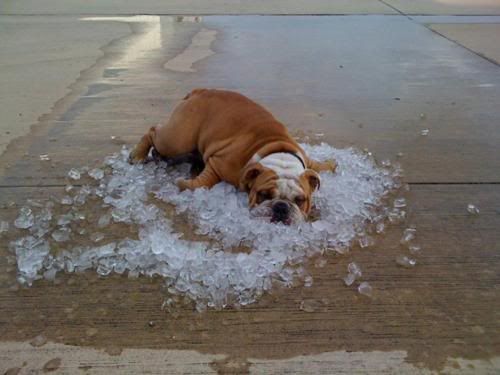
    It's Hot Out!

    It's Hot Out! by the ASPCA...


    Here are some tips, courtesy of the ASPCA, on how to keep your pet cool & healthy during the hot, hot summer months!

    We all love spending the long, sunny days of summer outdoors with our furry companions, but being overeager in hot weather can spell danger, warn ASPCA experts. 

    "Even the healthiest pets can suffer from dehydration, heat stroke and sunburn if overexposed to the heat," says Dr. Lila Miller, ASPCA Vice President of Veterinary Outreach, "and heat stroke can be fatal if not treated promptly."
    Take these simple precautions, provided by ASPCA experts, to help prevent your pet from overheating. And if you suspect your pet is suffering from heat stroke, get help from your veterinarian immediately.

    Visit the Vet
    A visit to the veterinarian for a spring or early summer check-up is a must. Make sure your pets get tested for heartworm if they aren't on year-round preventive medication. Do parasites bug your animal companions? Ask your doctor to recommend a safe flea and tick control program.

    Made in the Shade
    Pets can get dehydrated quickly, so give them plenty of fresh, clean water when it's hot outdoors. Make sure your pets have a shady place to get out of the sun, be careful to not over-exercise them, and keep them indoors when it's extremely hot.

    Know the Warning Signs
    According to Dr. Lila Miller, ASPCA Vice President of Veterinary Outreach, "symptoms of  overheating in pets include excessive panting or difficulty breathing, increased heart and respiratory rate, drooling, mild weakness, stupor or even collapse. They can also include seizures, bloody diarrhea and vomit along with an elevated body temperature of over 104 degrees." Animals with flat faces, like Pugs and Persian cats, are more susceptible to heat stroke since they cannot pant as effectively. These pets, along with the elderly, the overweight, and those with heart or lung diseases, should be kept cool in air-conditioned rooms as much as possible.

    No Parking!
    Never leave your animals alone in a parked vehicle. "On a hot day, a parked car can become a furnace in no time-even with the windows open-which could lead to fatal heat stroke," says Dr. Louise Murray, Director of Medicine at ASPCA Bergh Memorial Animal Hospital. Also, leaving pets unattended in cars in extreme weather is illegal in several states.

    Make a Safe Splash Do not leave pets unsupervised around a pool-not all dogs are good swimmers. Introduce your pets to water gradually and make sure they wear flotation devices when on boats. Rinse your dog off after swimming to remove chlorine or salt from his fur, and try to keep your dog from drinking pool water, which contains chlorine and other chemicals that could cause stomach upset.

    Screen Test "During warmer months, the ASPCA sees an increase in injured animals as a result of High Rise Syndrome, which occurs when pets-mostly cats-fall out of windows or doors and are seriously or fatally injured," says Dr. Murray. "Pet owners need to know that this is completely preventable if they take simple precautions." Keep all unscreened windows or doors in your home closed and make sure adjustable screens are tightly secured.

    Summer Style Giving your dog a lightweight summer haircut helps prevent overheating. Shave down to a one-inch length, never to the skin, so your dog still has some protection from the sun. Brushing cats more often than usual can prevent problems caused by excessive heat. As far as skin care, be sure that any sunscreen or insect repellent product you use on your pets is labeled specifically for use on animals.

    Street Smarts When the temperature is very high, don't let your dog linger on hot asphalt. Being so close the ground, your pooch's body can heat up quickly, and sensitive paw pads can burn. Keep walks during these times to a minimum.

    Avoid Chemicals Commonly used flea and tick products, rodenticides (mouse and rat baits), and lawn and garden insecticides can be harmful to cats and dogs if ingested, so keep them out of reach. When walking your dog, steer clear of areas that you suspect have been sprayed with insecticides or other chemicals. Keep citronella candles, oil products and insect coils out of pets' reach as well. Call your veterinarian or the ASPCA Animal Poison Control Center at (888) 426-4435 if you suspect your animal has ingested a poisonous substance.

    Party Animals Taking Fido to a backyard barbeque or party? Remember that the food and drink offered to guests may be poisonous to pets. "Keep alcoholic beverages away from pets, as they can cause intoxication, depression and comas," says Dr. Steven Hansen, ASPCA Senior Vice President of Animal Health Services. "Similarly, remember that the snacks enjoyed by your human friends should not be a treat for your pet; any change of diet, even for one meal, may give your dog or cat severe digestive ailments. Avoid raisins, grapes, onions, chocolate and products with the sweetener xylitol."

    Fireworks Aren't Very Pet-riotic
    Please leave pets at home when you head out to any outdoor festivities that may include fireworks; and never use fireworks around pets. "Exposure to lit fireworks can potentially result in severe burns or trauma to curious pets, and even unused fireworks can be hazardous," says Dr. Hansen. "Many types of fireworks contain potentially toxic substances such as potassium nitrate, copper, chlorates, arsenic and other heavy metals."

    Resources for this article provided by ASPCA

    Mija's Story.


    Meet Mija.

    In May of this year our hospital manager, Nancy, went on a trip to Costa Rica with her family. No one would ever have predicted that she would be coming home with an addition to the family.

    While on her vacation Nancy noticed a small, hungry dog keeping close to her hotel. Every time Nancy came outside the dog would come over and say hello; energetic and enthusiastic as she hugged Nancy's legs. As her trip went on Nancy couldn't ignore the urge to care for the dog. She would make sure none of her family finished their meals so she could bring leftovers back to the hotel and feed her new furry friend. After several days of this she finally decided to take the little dog to a local vet's office, where she boarded so she could receive vaccinations and have the ticks removed. Nancy ultimately obtained a health certificate from the office in order to bring the dog, by now named Mija (Spanish for "My daughter"), back to the U.S.

    It wasn't as simple as it sounds. Nancy had to switch airlines due to International pet travel restrictions through Spirit Airlines, and fly separately from the rest of her family, in order to get Mija out of Costa Rica. She just simply couldn't leave her behind. Upon arriving in the U.S. Nancy brought Mija to DPC where she boarded for quite some time. Dr. Hynes and the staff worked on doing diagnostics in order to make sure Mija didn't have any unknown medical conditions. Her bloodwork was not as bad as expected, showing anemia but no tick borne diseases. There were, however, two issues that needed to be addressed.

    The first, was her eye. Mija's left eye was literally protruding from its socket. It was evident that something was seriously wrong. At the recommendation of Dr. Hynes and Dr. Kesseru, Nancy took Mija to an opthamologist who recommended enucleation of the eye. After it's removal, a diagnosis was finally given. Mija had a congenital defect - a detached retina, and the eye could not have been saved. Luckily, the surgery went by successfully and eleviated any pain she felt from the area from the inflammation. Today, Mija is one-eyed but undoubtedly happier for it. She gets by without any problems at all! It certainly hasn't slowed her down.

    The second issue has been Mija's aggression and behavior issues. It's needless to say that Mija was not trained, not socialized, and not accustomed to living in a home with a family. She became fiercely protective of Nancy and would become frequently aggressive. For this, Nancy sought the help of a local trainer named Mary. Through rigorous and painstaking training techniques they began to work on Mija's behavior problems. Mary helped Nancy to understand the root of each behavior Mija displayed, and through this Nancy found an unlimited supply of patience and sympathy.

    As of today, Mija is a grateful member of Nancy's furry family. She is frequently spotted spending the day at DPC behind the reception desk. She is still a bit wild, but she has come a long way from her days as a tick-infested stray on the streets of Costa Rica.

    Posted by Jessica R

    Followers

    About Me

    DPC Veterinary Hospital
    6902 Stirling Road
    Davie, FL 33024
    954-989-9879
    DPC's Website
    DPC's Facebook
    DPC's Online Store